
Urban renewal in Portugal: Why well-renovated older properties could be the big opportunity of 2026
With home prices at record highs and demand for housing on the rise, urban renewal in Portugal is taking on new importance. Find out why well-renovated older properties can be a great opportunity.
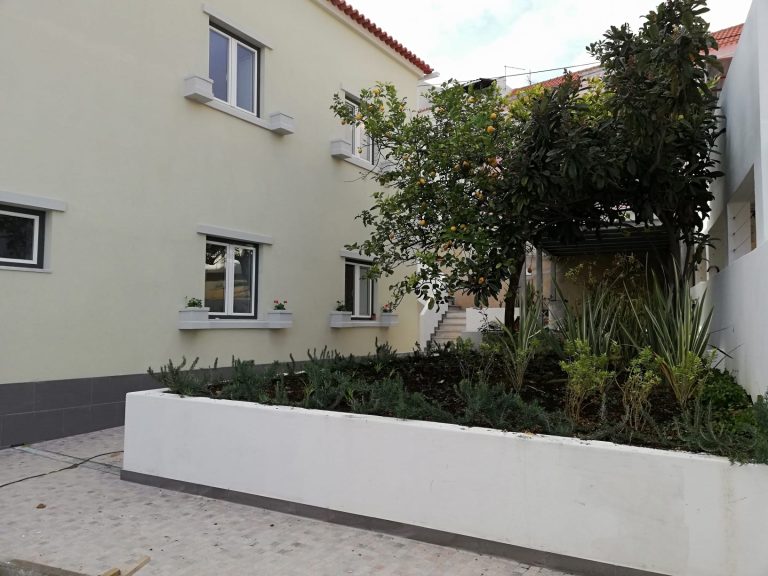
The property market in Portugal continues to face significant pressure, characterised by house prices at record highs, consistent demand from households and a supply that remains insufficient, particularly in established urban areas. In this context, urban regeneration in Portugal is playing an increasingly important role, not only as an alternative to new-builds, but as one of the key structural responses to market needs in 2026.
Buying a home in Portugal is no longer a decision based solely on the availability of properties. Today, the decisive factors include location, build quality, energy efficiency, comfort and the durability of the housing solution. This means that well-renovated older properties have come to hold strategic importance in the market, particularly when they are renovated with technical rigour and a long-term vision.
The property market in Portugal is becoming more demanding
The Portuguese property market has seen a significant rise in value over recent years, driven by a shortage of housing in central areas, rising construction costs and high demand from residents and investors. In 2026, this trend continues, with high price levels and greater demands from buyers, who are seeking safer, more efficient solutions with lower future risk. At the same time, financial institutions are also adopting stricter criteria for granting credit, which further reinforces the importance of property quality as a decisive factor.
What is urban regeneration in Portugal?
Against this backdrop, urban regeneration in Portugal takes on clear significance. It involves the process of restoring and enhancing existing buildings, adapting them to contemporary standards of liveability, energy efficiency and comfort. Unlike new-build developments on the outskirts, regeneration allows the existing city to be utilised, preserving its identity, reducing urban dereliction and promoting a more balanced use of the land. In many Portuguese cities, this approach has become essential to address the housing shortage in areas well-served by infrastructure, transport and services.
Why do well-renovated older properties tend to appreciate in value more?
Well-renovated older properties can, when refurbished to a high standard, achieve appreciation rates far above the market average. This is because they offer features that are increasingly rare in new builds, such as central locations, distinctive architectural features, higher ceilings and a natural integration into established urban environments. However, appreciation is not solely dependent on the final aesthetic. It depends above all on the quality of the work, the choice of materials, the energy efficiency achieved, and the way in which structural, thermal and acoustic issues are resolved.
The restoration of old buildings requires technical precision
The renovation of old buildings therefore requires a high degree of technical rigour. Many buildings suffer from issues such as damp, water ingress, cracks, outdated service networks, or a lack of thermal and acoustic insulation. A poorly planned renovation may only mask these problems temporarily, leading to their reappearance in the future and resulting in significant additional costs. For this reason, a preliminary analysis of the building and the development of appropriate technical solutions are essential steps before any intervention.
You can read more about refurbishments and renovations in our article: Rehabilitation or Renovation?
The future of housing in Portugal lies in urban regeneration
The future of housing in Portugal inevitably lies in urban regeneration. The country has a vast stock of older buildings, located mainly in urban areas with high demand, close to amenities, schools, shops and transport links. Their regeneration not only increases the housing supply but also contributes to the revitalisation of cities and the preservation of the built heritage. In 2026, with housing prices at high levels and demand for prime locations remaining strong, this approach is set to be one of the most significant strategies for the property sector.
Investing in refurbished older properties
Investing in renovated older properties is not just a matter of purchasing, but rather of analysis, planning and careful execution. When properly renovated, these properties can offer greater potential for future appreciation, lower maintenance risks, improved energy efficiency and greater appeal for both owner-occupation and rental purposes. However, these outcomes depend directly on the quality of the renovation work carried out.
Metathesis’s vision
Na Metathesis, acreditamos que a reabilitação urbana deve ser conduzida com rigor técnico, responsabilidade e visão de longo prazo. Cada edifício antigo representa um potencial único, mas também desafios específicos que exigem análise cuidada e soluções adequadas. O nosso trabalho consiste em identificar esse potencial e transformá-lo em espaços habitacionais modernos, funcionais e sustentáveis. Reabilitar não é apenas renovar; é devolver valor ao património urbano e prepará-lo para o futuro.
Num mercado imobiliário cada vez mais exigente, os imóveis antigos bem reabilitados representam uma das oportunidades mais consistentes para quem procura qualidade, localização e valorização sustentável a longo prazo.